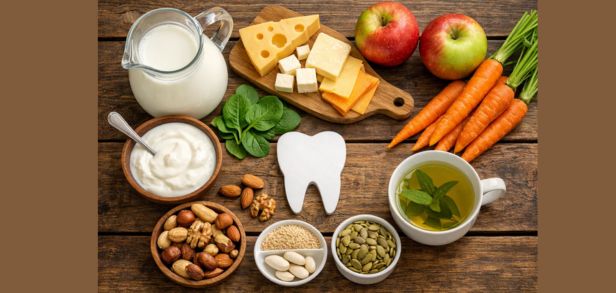
Top 10 Foods That Improve Your Dental Health Naturally
We’ve all heard it since childhood: "Brush your teeth twice a day." But a healthy smile isn't built on toothpaste alone. What you put on your plate is just as important as the brush you use. Your diet can be your greatest ally—or your biggest enemy—in the fight against cavities and gum disease.
Naturally protecting your enamel and reducing plaque starts with nutrition. Here is how you can transform your meals into a powerhouse for oral hygiene.
Why Diet is the Secret to Oral Health
Your mouth is the gateway to your body. Every bite interacts with your teeth and gums first. To keep them resilient, you need a steady supply of calcium, phosphorus, and essential vitamins. While sugary and acidic foods act like sandpaper on your enamel, nutrient-dense foods act like a repair kit.
In fact, dental experts at leading multi-speciality hospitals often note that a "pro-tooth" diet can prevent up to 80% of common dental issues before they even start.
Top 10 Foods for Strong and Healthy Teeth
1. Milk
Milk is the gold standard for dental health. It is packed with calcium and phosphorus, the building blocks of tooth structure. Drinking milk helps re-mineralize enamel that may have been weakened by acidic foods.
2. Cheese
If you love cheese, your teeth do too! Cheese is a superstar because it raises the pH level in your mouth, making it less acidic. It also stimulates saliva, which acts as a natural rinse.
3. Yogurt
Probiotics aren't just for your gut; they’re great for your gums. Yogurt contains "good" bacteria that crowd out the "bad" bacteria responsible for cavities. Just stick to the plain, unsweetened varieties!
4. Apples
Often called "nature’s toothbrush," the fibrous texture of an apple acts as a mild abrasive to scrub your teeth. The chewing process also triggers saliva production to wash away food particles.
5. Carrots
Crunchy, raw carrots are like natural dental floss. They are high in Vitamin A, which is crucial for building strong tooth enamel and maintaining healthy mucous membranes.
6. Leafy Greens
Spinach and kale are nutritional heavyweights. They are high in calcium for your teeth and folic acid, a B vitamin that has been shown to treat and prevent gum disease.
7. Nuts
Almonds and walnuts are low in sugar and high in calcium and phosphorus. They provide a "workout" for your jaw and provide the healthy fats needed to keep your mouth's ecosystem balanced.
8. Green Tea
Green tea contains polyphenols, which are antioxidants that kill or suppress plaque-causing bacteria. It’s a great way to fight bad breath and prevent cavities simultaneously.
9. Oranges (In Moderation)
Vitamin C is vital for gum health because it strengthens the blood vessels and connective tissue that hold your teeth in place. However, because oranges are acidic, enjoy them as part of a meal rather than snacking on them all day.
10. Water
Never underestimate the power of $H_2O$. Water (especially fluoridated water) is the best "mouthwash" there is. It clears away debris and keeps your mouth hydrated, preventing the "dry mouth" environment where bacteria thrive.
Managing Plaque and Protecting Enamel
To maintain a healthy mouth, focus on Mechanical Cleaning Foods. These are foods that require a lot of chewing, which naturally "scrubs" the tooth surface:
- Crunchy fruits: Pears and apples.
- Fiber-rich veggies: Celery and broccoli.
- Dairy: Specifically hard cheeses.
Foods to Limit
To protect your hard-earned progress, try to avoid:
- Sticky Sweets: Caramels and toffees that cling to crevices.
- Carbonated Drinks: Even "sugar-free" sodas are highly acidic and can erode enamel.
- Starchy Snacks: White bread and potato chips turn into sugar quickly and stick to teeth.
The Bottom Line: Gums are the Foundation
You can’t have healthy teeth without healthy gums. Chronic inflammation in the gums can lead to tooth loss and has even been linked to heart disease. A diet rich in Vitamin C and Calcium ensures your gums stay firm and pink.
Expert Tip: While diet is a powerful tool, it doesn't replace the professional. Regular check-ups at a trusted multi-speciality hospital are essential for catching early signs of decay that a diet alone cannot fix.
A beautiful smile starts in the kitchen. By swapping out sugary snacks for crunchy vegetables and calcium-rich dairy, you are investing in a lifetime of dental health. Combine these dietary habits with a solid brushing routine, and you’ll have every reason to smile.
Categories
Latest Posts

17-03-2026
Is Dialysis Painful? Myths vs Facts | Multi-speciality Hospital in Kolkata

06-02-2026
How to Choose the Best Multi-Speciality Hospital in Kolkata?

29-12-2025
Veneers vs. Clear Aligners: Which One is Right for You?

20-12-2025
Sudden Severe Headache: When It’s a Medical Emergency
_when_you_should_get_tested.jpg)
12-12-2025
Thyroid Test (TSH, T3, T4): When You Should Get Tested
